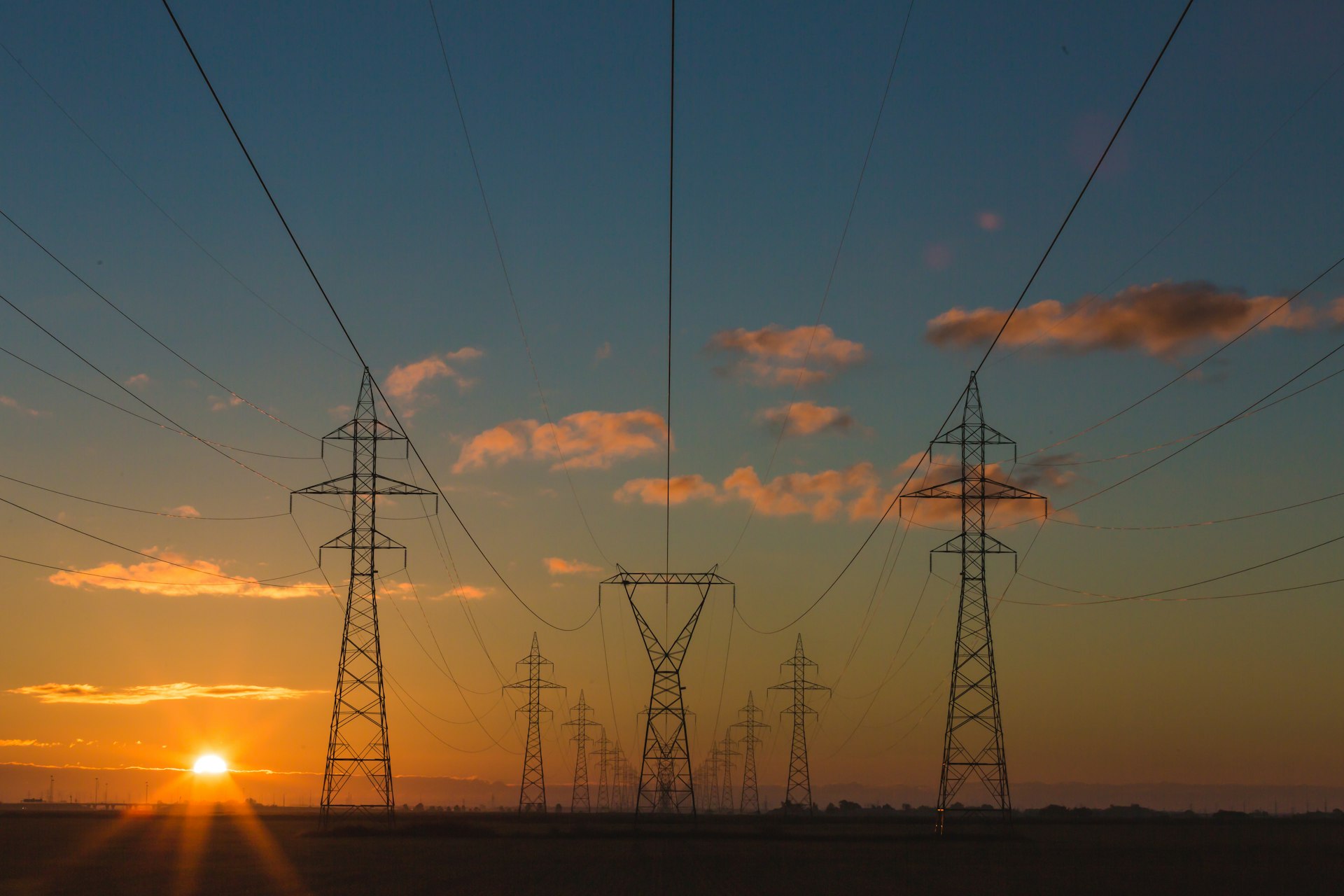
Capturing Carbon.
Reversing Emissions.
Solid sorbent direct air capture and point-source removal systems. Delivering high-purity CO₂ for utilization and permanent geological storage.
Five stages.
Zero shortcuts.
From atmospheric intake to permanent storage — every stage is monitored with real-time sensors and third-party validation. Full lifecycle transparency for procurement teams.
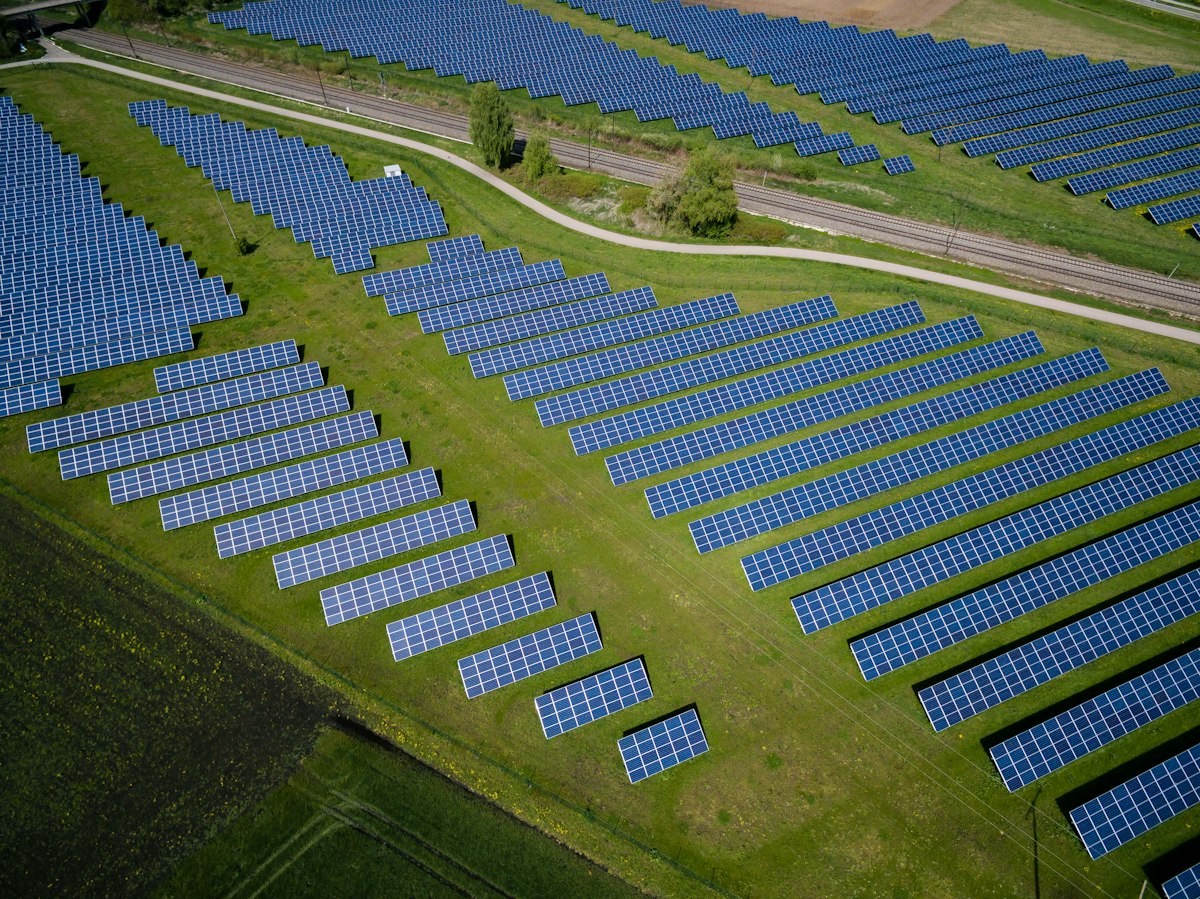
Atmospheric CO₂ drawn through optimized contactors.
Ambient air is drawn through structured contactor arrays using low-power regenerative blowers. Our optimized fan blade geometry reduces power consumption by 35% compared to conventional axial designs while maintaining 95% capture efficiency.
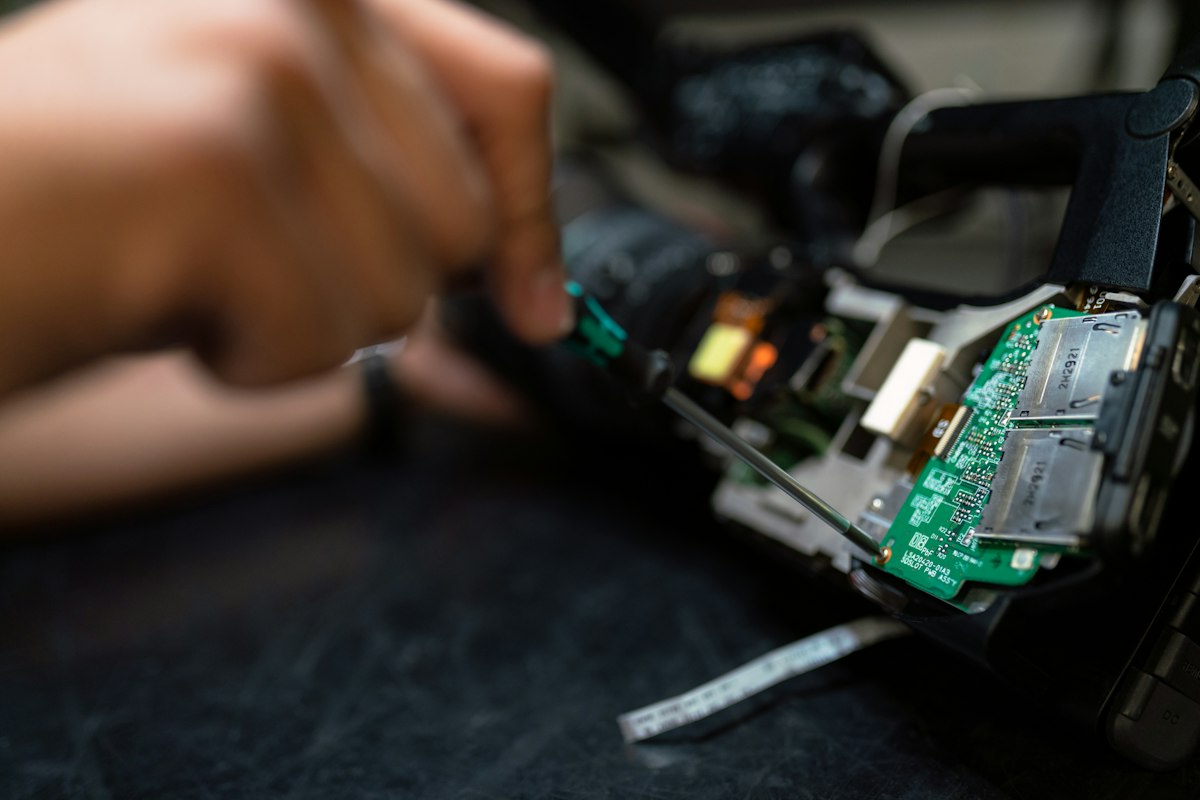
Solid sorbent binds CO₂ with selective affinity.
Air passes through structured monoliths coated with amino-functionalized solid sorbent. The material selectively binds CO₂ at 40°C, achieving 95% single-pass capture efficiency. No liquid solvents. No corrosion. No amine emissions.
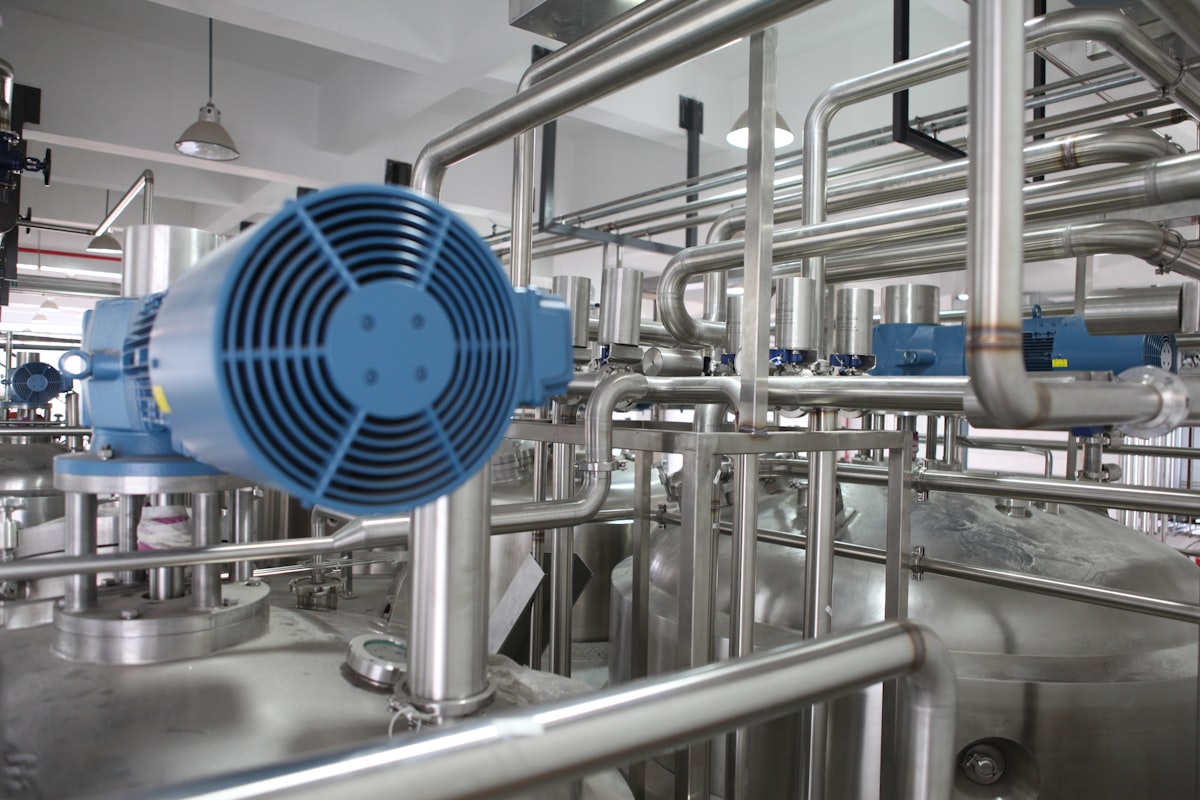
Pure CO₂ released under controlled vacuum.
Saturated sorbent is isolated and heated to 80°C under vacuum pressure. CO₂ desorbs as high-purity gas (>99% concentration), ready for compression and utilization. The regenerated sorbent returns to the contactor for the next cycle.

CO₂ compressed to 150 bar for transport.
High-purity CO₂ gas is compressed through intercooled multistage centrifugal compressors to 150 bar. Further cooling to -20°C produces liquid CO₂ suitable for pipeline transport, shipping, or direct injection into geological storage.
Permanent removal or circular utilization.
Captured CO₂ is either transported to permanent geological storage formations (basalt mineralization or saline aquifers) or supplied to utilization partners for e-fuels, concrete curing, or synthetic materials. Blockchain-tracked from capture to sink.
Benchmark our systems.
The data speaks clearly.
| Dimension | CarbonWorks Systems | Amine Scrubbing Avg | Note |
|---|---|---|---|
| Capture Efficiency% | 95%Best | 85–90% | Single-pass removal rate at design conditions |
| Energy ConsumptionMWh / tCO₂ | 0.85Best | 1.2–1.6 | Includes compression to 150 bar |
| Lifecycle Emissionst CO₂ / t captured | 0.12Best | 0.35–0.55 | Cradle-to-gate carbon footprint |
| Purity Output% CO₂ | 99.9%Best | 95–98% | Pipeline/food-grade specification |
| Modular CapacitytCO₂/year per unit | 5,000Best | 1,000–2,500 | Standardized containerized system |
| CAPEX per tonneUSD / tCO₂ annual | $450Best | $600–$900 | Installed equipment cost FY 2026 |
Sources: TÜV Rheinland Q1 2026 certification, DNV ISO 14064-2 verification Q1 2026, IEA CCUS Report 2025, Global CCS Institute FY 2025. Peer benchmarks based on operational amine scrubbing and calcium looping facilities.
Carbon capture technology package available.
Verified by TÜV Rheinland · ISO 14064-2 certified · Partnership slots Q3–Q4 2026